Shaping the Future of Work: Insights from the 114th ILO International Labour Conference
- 16 June 2026
- Employment



Having recently returned from the 114th Session of the International Labour Conference in Geneva, I have been reflecting on the work of the International Labour Organisation (ILO) and the important role it plays in global standard setting, as well as promoting social and economic inclusivity.
The conference brought together government, employer and worker representatives from the ILO’s 187 Member States to discuss major developments in the world of work. The 114th session focused on platform work, gender equality, social dialogue and the application of existing conventions.
I had the opportunity to attend as part of the 4 strong delegation representing UK employers, supporting the Confederation of British Industry (CBI). We worked alongside employer delegates from the other ILO Member States to ensure that the outcomes of the conference reflected business interests, alongside those of governments and workers. This is a fundamental part of the ILO’s work, which is built, uniquely for an international body of this kind, on tripartite negotiation.
The big-ticket item this year was the second year of negotiations to agree text for a binding convention setting standards for decent work in the platform economy. Last year, a significant amount of time was spent agreeing definitions for the text, as this is the first time a text has been proposed by the ILO relating to the digital economy, so everyone was starting from scratch. This meant there was an awful lot of work to get through this year.
The text related to the development of international labour standards for workers engaged through digital platforms; think gig economy – delivery agents, app-based freelancers and rideshare drivers. Discussions considered how to improve protection, fairness, transparency and access to rights for platform workers.
After 10 days of long and intense negotiations, the conference adopted this landmark convention (number 193) following a vote. The convention has real relevance in the UK, applying to all digital platform workers, regardless of employment classification, setting standards for decent work, including principles relating to fair pay, pay transparency, access to social security and regulation of algorithmic management systems and automated decision making.
It was fascinating to learn how the digital economy operates in different parts of the world and a real test to formulate wording that worked for everyone. Amending and sub-amending proposed wording on big screens in an auditorium with hundreds of people late at night was no easy feat, but there is no point adopting a text if it won’t be ratified by the Member States.
The employer delegation worked extremely hard to make sure the convention recognised the difference between self-employment and employment to ensure it was practical and fair in practice. It, of course, would not have worked for businesses to be committed to providing a minimum wage for self-employed entrepreneurs, for example. Alongside our Chair making submissions on behalf of global employers to the broader committees and amending the draft wording, this also involved employer delegates lobbying their government representatives to understand the impact of what we saw as problematic wording for national policy, legislation and the economy.
Alongside this unprecedented convention, other committees were working on recommendations on gender equality at work and social dialogue. I joined the gender equality committee for some of my time in Geneva, which was focused on advancing a transformative agenda, addressing persistent barriers to participation, progression, pay equity and workplace protection. Discussions around gender equality at a global level are always challenging, given cultural differences and government policy, but good progress was made and again, text was agreed and adopted at the end of the conference.
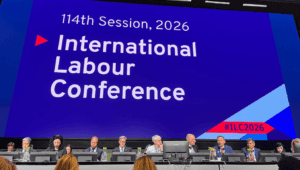
The conference brought together government, employer and worker representatives from the ILO’s 187 Member States to discuss major developments in the world of work.
Attendance at the conference provided a valuable opportunity to understand the direction of international labour policy and the issues likely to influence future employment law reform. The discussions on platform work are particularly timely given the continuing growth of non-traditional working arrangements.
The emphasis on gender equality and social dialogue underlined the importance of inclusive workplace practices and meaningful consultation.
The conference highlighted that employment regulation is increasingly being shaped by the need to balance innovation and flexibility with decent work, equality and effective worker voice. We can see clear parallels between the discussions at international level and the Employment Rights Act 2025 and I can only hope that the new powers this act grants to trade unions within the UK will lead to social dialogue as constructive as I witnessed on the international stage.
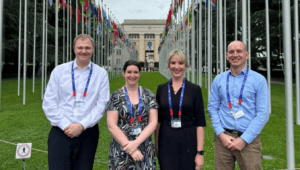
Clarkslegal has been representing the UK employer delegation, led by the CBI at the ILO on an annual basis for nearly 2 decades.
If you have any questions regarding ILO, please feel free to contact our employment team, who will be happy to assist.
Keep up to date with the latest tips, analysis and upcoming events by our legal experts, direct to your inbox.
Disclaimer
This information is for guidance purposes only and should not be regarded as a substitute for taking legal advice. Please refer to the full General Notices on our website.